What happens to you around other people?
I've realised that the relational landscape will probably never bore me.
There is a dynamism to relating that almost nothing else in life has.
I change. You change. The space between us changes.
What felt easy yesterday might feel difficult today. A conversation with one person can bring out something completely different in me than the same conversation with someone else.
And yet, there is also something strangely repetitive about relationships.
Why Do We Keep Repeating the Same Patterns?
Sometimes we find ourselves in the same loops with completely different people, without even noticing.
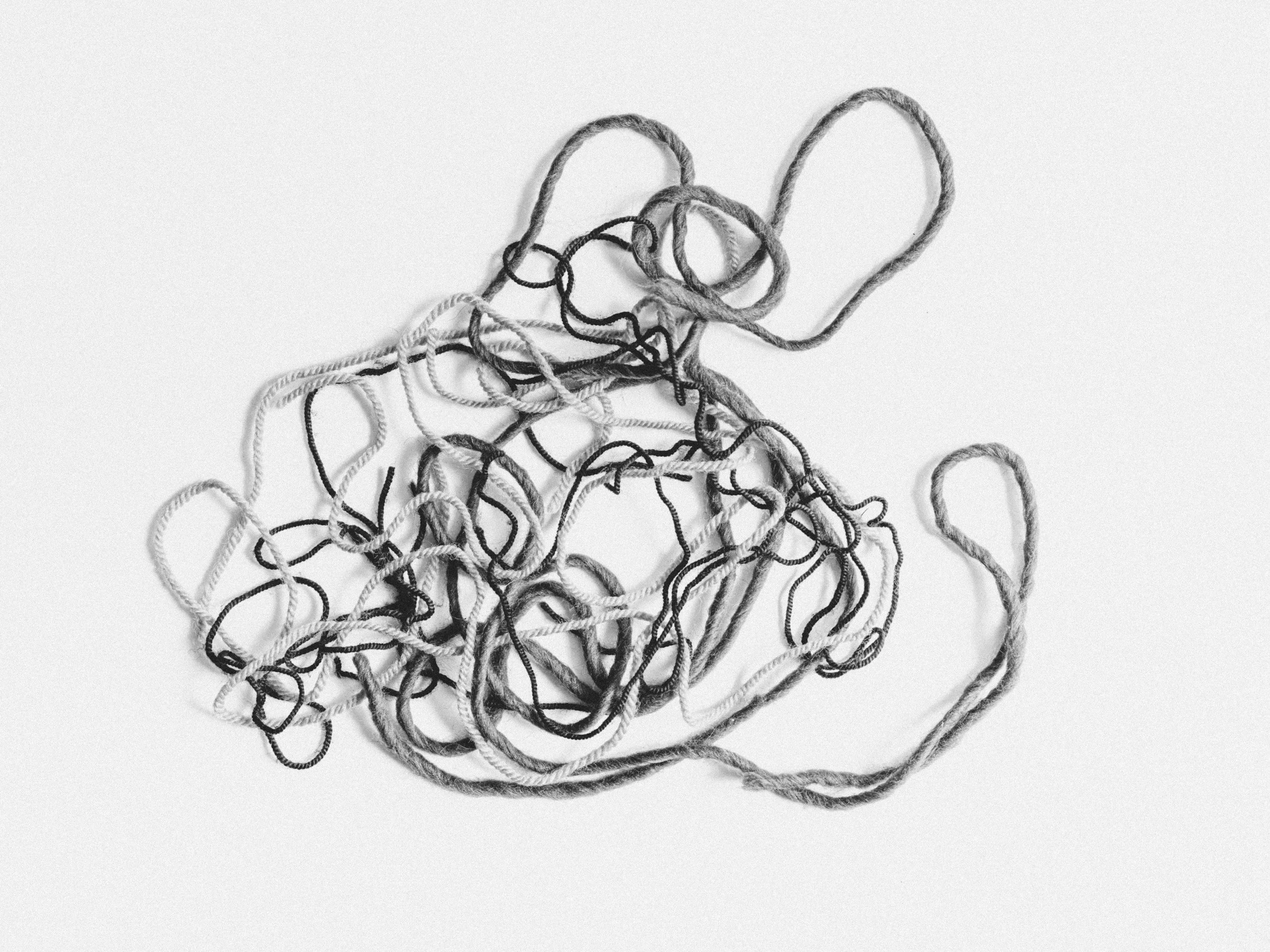
We think we've understood something. We've had the insight. We've identified the pattern. We've promised ourselves that next time we'll do things differently.
And then the next relationship arrives...
And somehow, there we are again.
This has made me wonder whether understanding is enough.
We don't expect to run a marathon because we've read a book about running. We don't expect to play an instrument because we understand music theory.
Yet when it comes to relationships, we often expect ourselves to behave differently simply because we now know better.
Maybe relating needs training too.
What Happens When We Meet Another Person?
There are so many things influencing what happens when we meet someone: our history, expectations, previous experiences, nervous system, mood, energy, assumptions and the stories we carry about ourselves and others.
What we experience is not simply reality.
It is our interpretation of it.
So I've become increasingly interested in a different question:
What do I become around other people?
What sets me free?
What constrains me?
What upsets me?
What lights me up?
What grounds me?
And what happens when I enter an interaction already carrying something with me?
The Different Parts of Us That Appear in Relationships
I can only really answer these questions from my own experience.
And what happens to me quite often is that several different parts of me become active at once.
There is the pleaser, who wants everyone to be okay.
The performer, who wants to be interesting, impressive or liked.
The wise part, who thinks it has figured everything out.
The inner child who wants someone else to rescue them.
The protector who wants to save the day.
And the part of me that doesn't want to be with people at all.
Sometimes they seem to have completely different agendas.
The challenge for me has been to notice these parts without letting them take the spotlight when they don't need to.
Sometimes it works.
Other times it doesn't.

We Don't Have to Get Rid of These Parts
My work is not to punish myself or blame others when I become a version of myself that feels narrow or limiting.
It is to stay with what unfolds and become curious about what is happening.
Not trying to get rid of these parts.
Not trying to silence them.
But learning to notice when they are taking the lead, and creating enough space to choose what happens next.
For me, this is where presence becomes important.
What Does It Actually Mean to Be Present?
Presence doesn't mean being calm, centred and perfectly self-aware all the time.
Sometimes I notice what's happening early.
Sometimes halfway through.
Sometimes three days later, when I realise I was definitely not as present as I thought I was.
And sometimes, depending on my energy levels, hormones, sleep, circumstances, planets... who knows... my capacity simply isn't the same.
Capacity is a big deal.
When I'm rested and resourced, I might have access to curiosity, patience and generosity.
When I'm exhausted or overwhelmed, much less might be available.
So perhaps presence isn't about constantly monitoring what happens inside us.
Perhaps it is about having enough awareness and enough space to choose how we respond.
Relationships Need Practice Too
This is where I think we sometimes miss something important about personal growth.
We may not need more information, insight, or another book telling us how to have better relationships.
What we may need are spaces where we can actually practise.
Spaces where we can experiment with different ways of being around other people.
Where we can notice what happens inside us.
Where we can practise staying present when something feels uncomfortable.
Where we can learn to communicate differently, set boundaries, receive care, tolerate disappointment, repair after conflict, or remain connected to ourselves while staying connected to someone else.
Because relating is not something we only do when everything is going well.
Relating is the practice of meeting ourselves and each other in the middle of everything that is happening.
Perhaps We Don't Need to Figure Relationships Out
The more I explore relationships, the more I realise that I don't want to become someone who has finally figured them out.
I want to become someone who can stay curious enough to keep learning.
Curious about what is happening inside me.
Curious about what is happening between us.
Curious about the parts of me that appear in different relationships.
And curious about what each interaction might be showing me.
Maybe relational growth isn't about becoming someone who never gets triggered, never reacts or always knows what to do.
Maybe it is about becoming someone who can increasingly notice what is happening, create a little more space, and choose what happens next.
Because relationships are not simply something we understand.
They are something we practise, every day, with one another.
If this resonates with your experience, I offer trauma-informed somatic counselling in Brighton and online, supporting people to move from reactive relational patterns to embodied, authentic connection. You’re welcome to book a free discovery call to explore working together.